Keto vs Mediterranean vs Low-Fat: The Feeding Trial Where Keto Won on Liver Health
A Cell Metabolism feeding trial pitted keto against Mediterranean and low-fat diets at equal weight loss. Keto won on liver fat, insulin sensitivity, and prediabetes remission.
Based on coverage by ScienceAlert
Table of Contents
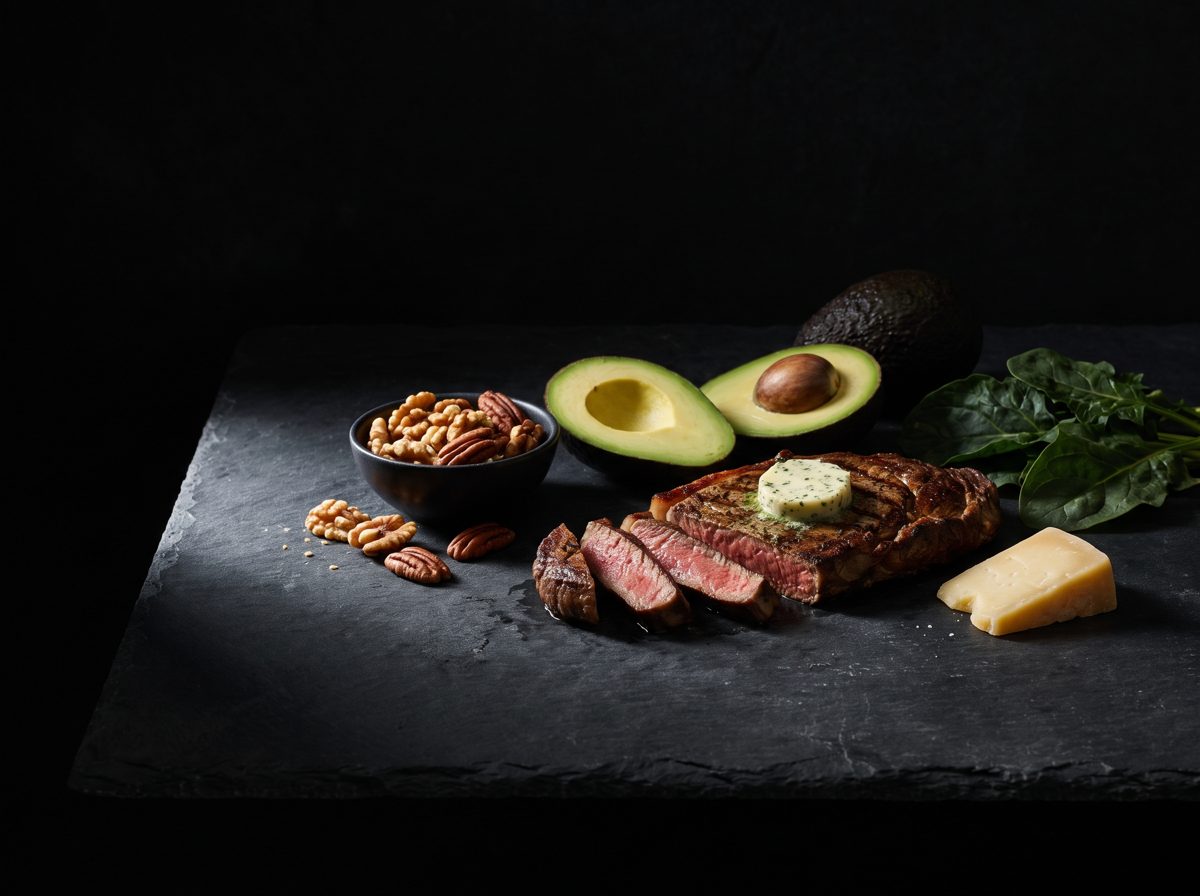
# Keto vs Mediterranean vs low-fat: the feeding trial where keto won on liver health
Forty-two adults with obesity, prediabetes, and fatty livers ate every meal a research kitchen handed them for about five months. Each person followed one of three diets: ketogenic, Mediterranean, or low-fat and mostly plant-based. Everyone reached the same 10 percent weight-loss target.
That last detail matters more than it sounds. When weight loss is equal, whatever differs afterward comes from the diet itself, not from who tried harder. A team at Washington University in St. Louis led by endocrinologist Max Petersen published what differed, and the results appeared in Cell Metabolism.
the numbers
Liver fat fell in all three groups. The keto group lost 67 percent of it on average. The Mediterranean and low-fat groups both landed at 45 percent.
Liver insulin sensitivity rose in every group too. The keto group's improvement measured two to three times larger.
Prediabetes remission showed the widest gap. Half the keto group exited prediabetes by the end of the study, against 29 percent on Mediterranean and 7 percent on the low-fat plan. The Mediterranean arm performed well. Keto moved the number further.
The 7 percent figure is the one that stuck with me. Same kitchens, same portions, same target on the scale. Diet composition was the only meaningful variable left, and it separated the remission rates by a wide margin.
the cholesterol surprise
Seventy-three percent of the keto group's calories came from fat, including saturated fat, against 35 percent for Mediterranean and 15 percent for low-fat. The concern going in was cardiac, since a diet that heavy in fat should push cholesterol the wrong way. It did not. Petersen reported that blood cholesterol profiles showed no harmful effects, and cardiovascular risk factors tended to improve even with the high saturated fat intake.
why the liver responded
Carbohydrates made up 4 percent of calories on the keto arm. That near-elimination keeps circulating glucose and insulin low. The researchers' explanation: a liver seeing less glucose and insulin produces less new fat and burns more of what it already stores.
what this study does not settle
Forty-two people is a small sample. The authors note they may have missed real differences between the diets that a larger trial would catch. Nobody knows yet whether a relaxed low-carb diet, one that never reaches ketosis, delivers the same liver benefits. And the diet itself is demanding. Petersen's practical warning is worth repeating to anyone starting keto. The restriction needed to stay ketogenic is severe, and carbohydrates hide in foods most people count as healthy, including starchy vegetables, fruit, and legumes.
the takeaway
For readers who eat keto, the design is the headline. The researchers engineered equal weight loss and provided every meal, so the usual excuses for diet studies fall away. Keto still separated on measures that go beyond the scale. If you started this diet for your weight, a five-month controlled trial now gives your liver a stake in it too.
Related Keto Guides
Disclaimer: This guide is for informational purposes only and is not medical advice. Always consult with a healthcare provider before starting any new diet, especially if you have pre-existing medical conditions, are pregnant, breastfeeding, or taking medications. Some of the links on this page are affiliate links, which means we may earn a commission if you make a purchase through them at no additional cost to you.