
Lunch
Grilled Chicken With Spinach-Chive Pesto

Lunch
Baked Chicken with Cinnamon Apples

Lunch
Italian Style Baked Chicken Thighs
Lunch
⏲ ~57 min total · prep 13 · cook 44 · 4 servings
Published Sep 15, 2026 · Updated Sep 15, 2026
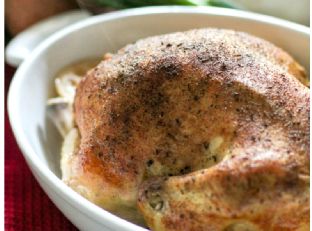
Work the tablespoon of kosher salt under the skin onto the actual meat before the overnight rest. Salt left on the surface seasons the skin alone. This step is what separates deep seasoning from surface seasoning.
The recipe gives two numbers on purpose: 165°F for breasts, 175°F for thighs. Start checking around 35 minutes and pull each piece as it hits its number. Thighs actually taste better at the higher temperature, so don't rush them.
If the skin needs more browning after the bake, slide the dish under the broiler for 1-2 minutes and stand there watching. Ovens vary, and the broiler closes the gap. Seconds matter at that distance.
Pat every piece with paper towels before the overnight salting. Water left on the surface slows the fridge drying you're counting on. The rack matters too, because skin resting in its own juice softens no matter how long it sits.
The wedges roast between the pieces and turn soft, sweet, and browned. Squeezed over the finished chicken they're milder than fresh lemon and tie into the pan juices. Discard them only if they've gone too dark.
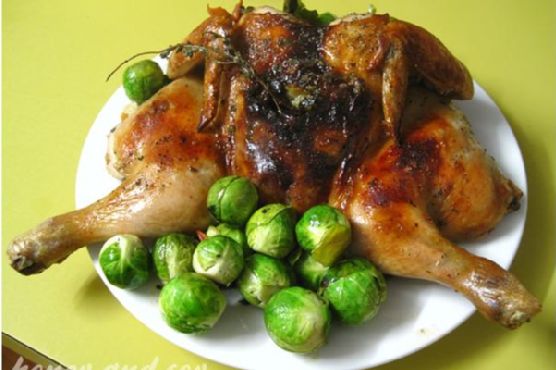
Bring the baking dish to the table and spoon the darkened pan juices over each piece as you serve, then set out the roasted lemon wedges alongside. A cabbage slaw or a big green salad fits inside the 6.1 net carbs a serving carries. With mixed breasts and thighs on one tray, let people choose their piece; the thighs are the more forgiving option and the breasts slice neatly for plates and lunchboxes. Leftovers are already seasoned, which makes tomorrow easy.
Refrigerate leftovers in a shallow container for 3 to 4 days. Skin softens in the fridge no matter what, and a few minutes under the broiler or in a hot oven brings back most of the crackle. Reheat the meat itself to 165°F. Off the bone, the meat freezes for 2 to 3 months and thaws straight into salads or a quick skillet reheat. The pan juices solidify when cold; lift the fat off the top and keep the jelly underneath for spooning over the reheated pieces.
Refrigerator air is what dries the skin so it can crisp in the oven. Covered chicken traps surface moisture and steams itself instead. The salt penetrates either way, but the crackle lives in the drying.
Baking powder dries the skin's surface and encourages browning across the long 400°F bake, which is why 2 teaspoons ride in the butter paste. Buy aluminum-free; the metallic taste of some standard brands survives cooking. It reads as a strange ingredient until you taste the skin.
Usually not, and the recipe plans for it with 165°F for breasts and 175°F for thighs. Check pieces separately starting around 35 minutes and pull each when it hits its number. Thighs are better at the higher temperature, so give them their time.
You can bake without it, but you lose the spoonable pan juices and the lemon wedges scorch faster. Pour it around the pieces, never over, so the seasoned skin on top stays dry. The half cup stays in the dish, not on the chicken.
Eight hours up to overnight is the target. Under about 4 hours the seasoning stays near the surface and the skin never fully dries, and past roughly 12 the meat turns slightly spongy at the edges. An hour ahead works in a pinch, with softer results.
As an Amazon Associate and affiliate partner, Keto Food Ideas earns from qualifying purchases at no additional cost to you. Nutritional values are estimates. Recipes are developed with AI assistance and reviewed by our editors before publishing.