Dinner
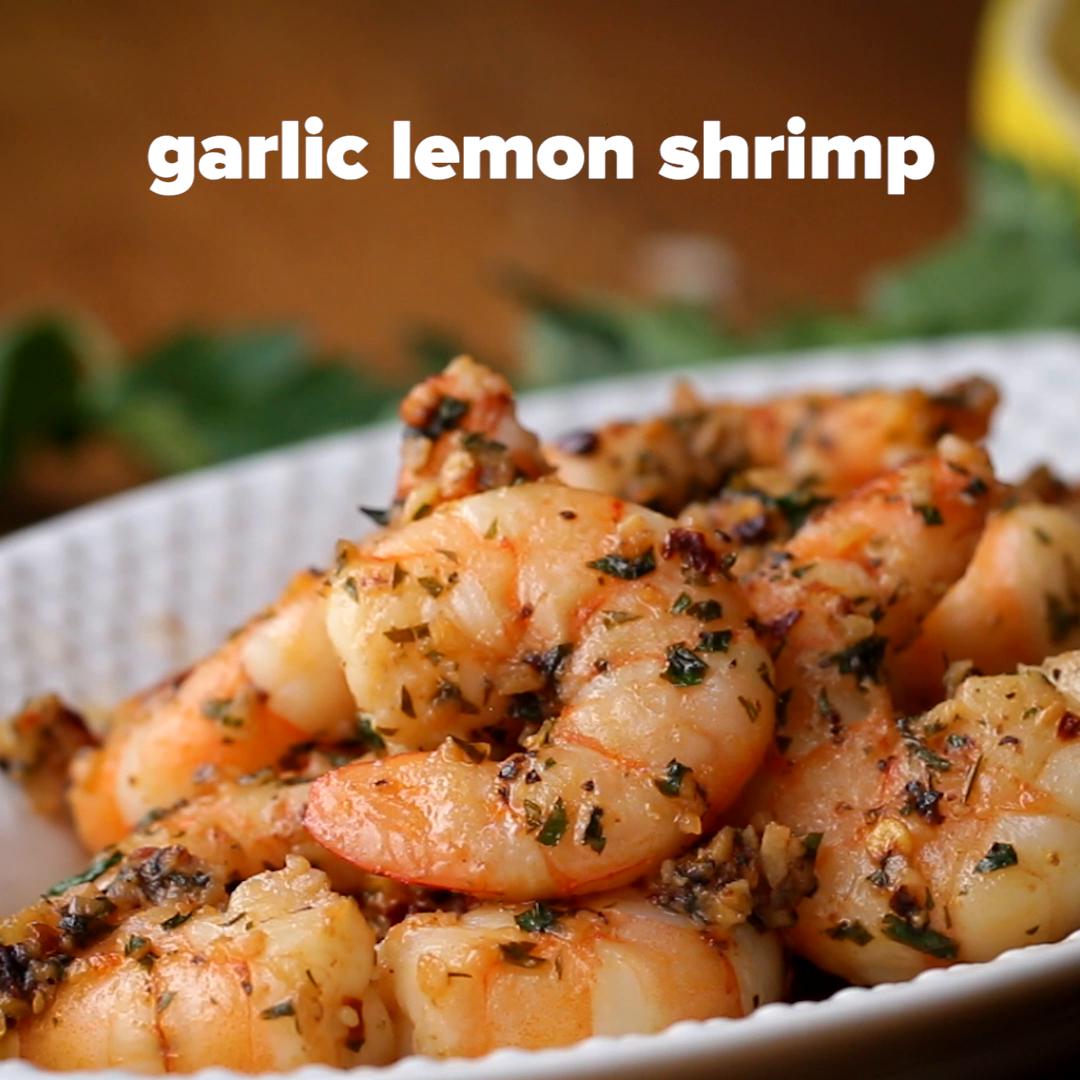
Garlic Lemon Shrimp Recipe | Easy Keto Dinner
Dinner
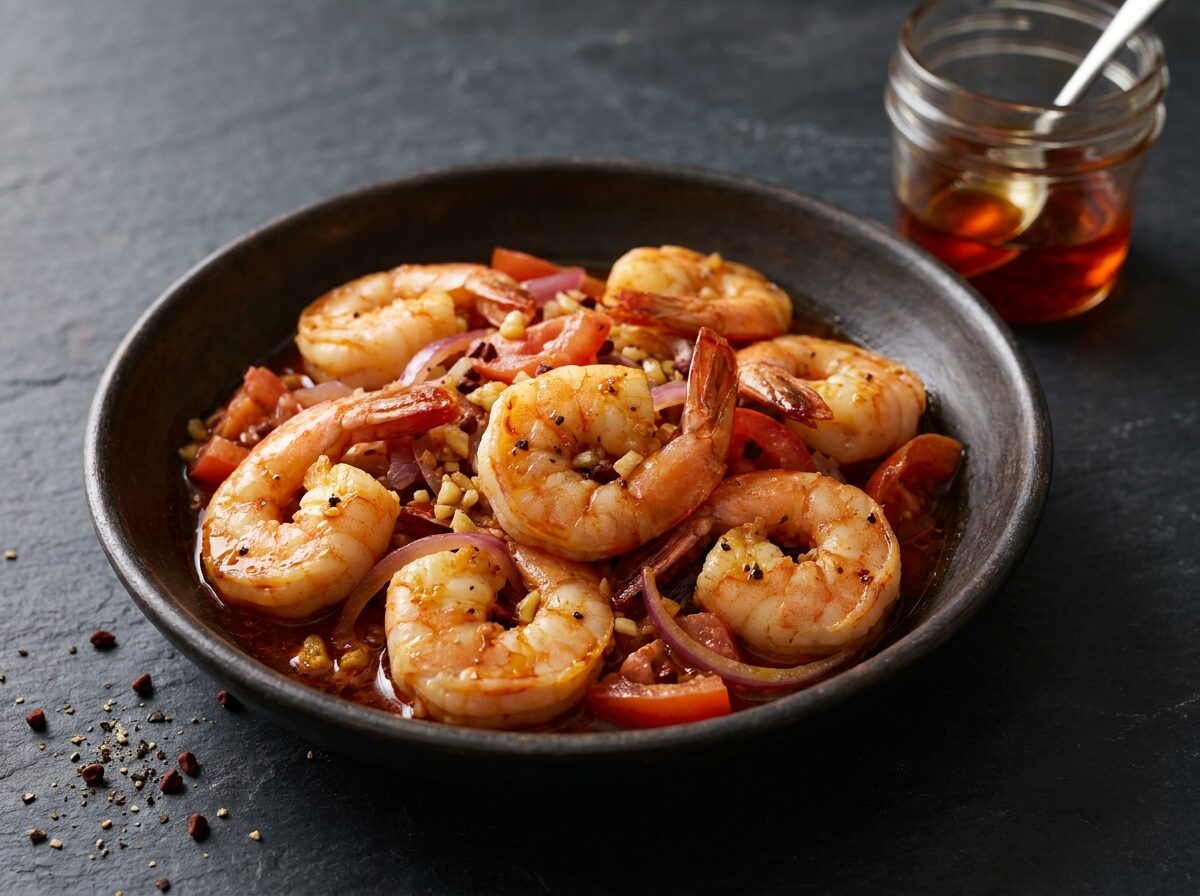
Keto Filipino Shrimp with Achiote Oil
Dinner
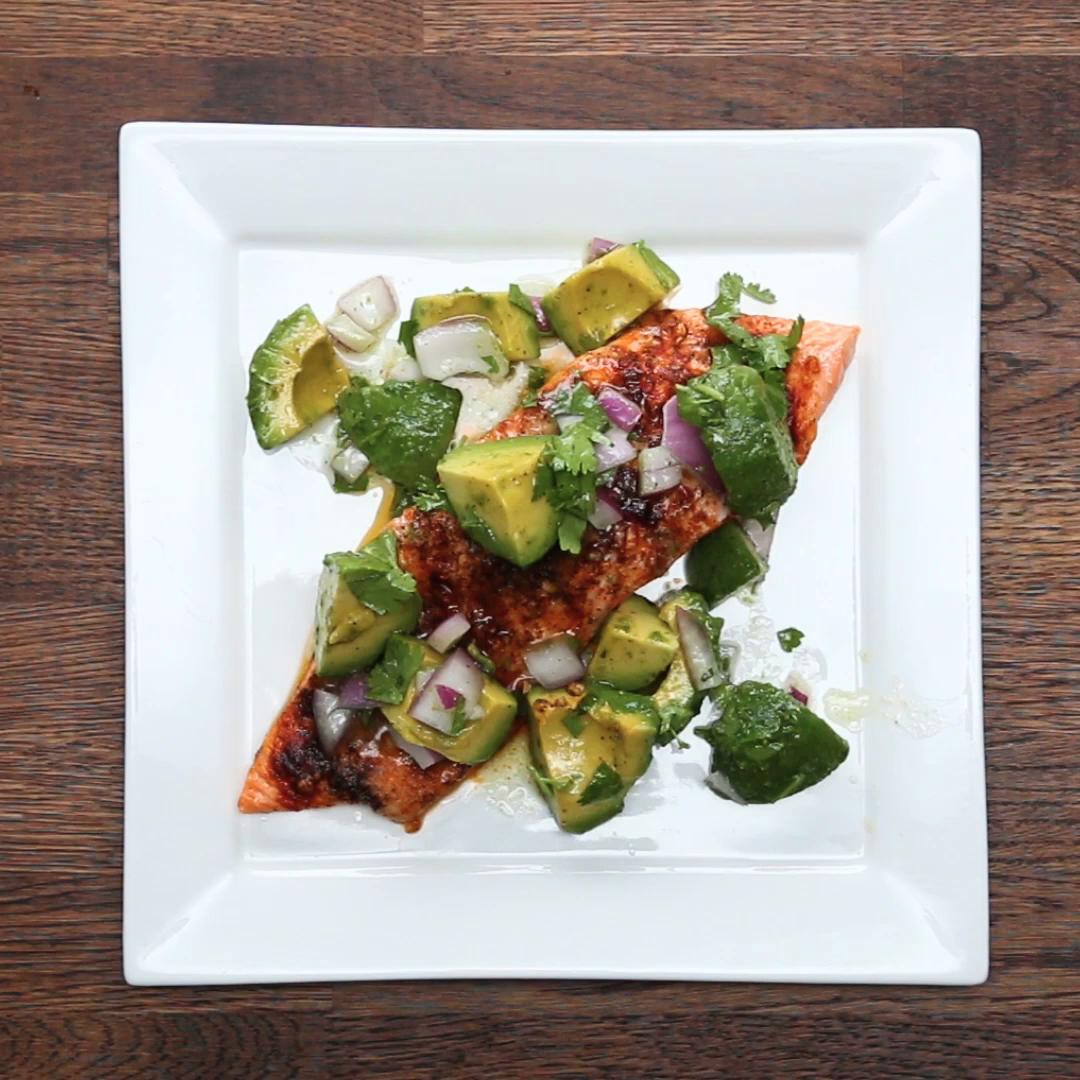
Keto Avocado Lime Salmon Recipe | 719 Calories
Dinner
⏲ ~18 min total · prep 14 · cook 4 · 4 servings
Published Sep 15, 2026 · Updated Sep 15, 2026
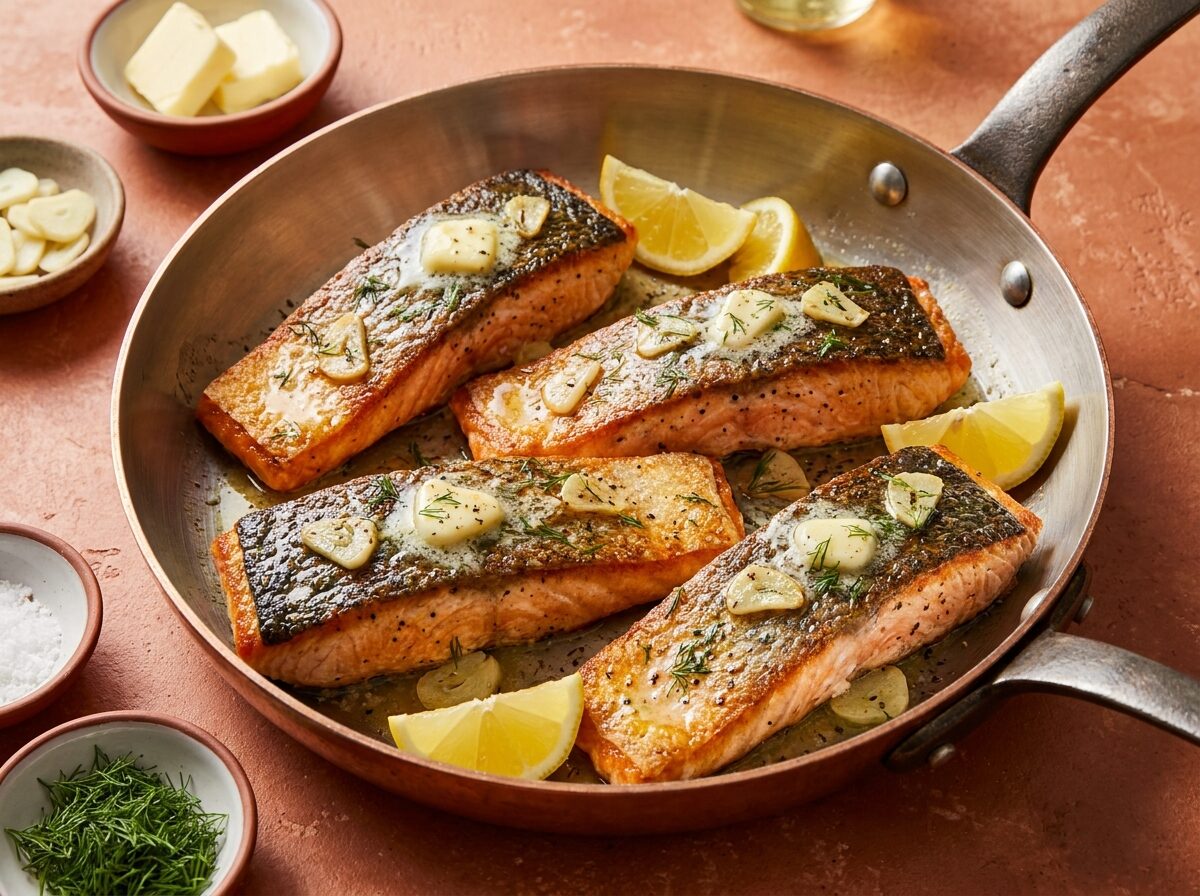
Salt on the skin draws moisture out and softens it before the pan heats. Season the flesh side, leave the skin bare, and let the crust speak for itself.
Cold fillets tighten and curl in a hot pan, lifting the skin off the oil. Ten minutes at room temperature first, and the fillet cooks flat and even.
Lay each fillet in away from you, press flat with a spatula for ten seconds, and then leave it alone. Four minutes undisturbed is what builds the golden crust.
Slices turn sweet in the foaming butter over three to four minutes. Minced garlic burns in that span and takes the pan sauce with it.
130°F at the thickest point, with a gentle flake under pressure, is the target this recipe is built around. Carryover heat keeps working on the plate, so pull it on time.
Zero point five net carbs tells you most of the story: the plate is fish and butter, with lemon and dill at the edges. Lift each fillet onto a warm plate skin-side up so the crust stays crisp, spoon the garlic butter over, and finish with the lemon juice and chopped dill. Wedges on the side for anyone who wants more acid. Steamed greens or a bitter salad sit well beside it. Eat it hot, because the skin waits for no one.
Salmon is a tonight food, and the skin goes first. Refrigerate leftovers in a covered container for up to three days. Eat them cold, flaked over salad, or warm them gently in a covered pan with a spoonful of water; high heat turns reheated salmon dry and fills the kitchen with a reheated-fish smell. Cooked fillets freeze for two to three months if you must, though the texture comes back softer. Cook what you will eat.
No, but use the heaviest pan you own. Cast iron and stainless hold their heat when the fish lands, which is what fries the skin instead of steaming it. Thin pans cool and the crust suffers.
Moisture or movement, almost always. The skin went in wet, the fillet was cold from the fridge, or it was nudged before the crust set. Rest the fillets ten minutes, press them flat for ten seconds, and leave them alone for four minutes.
For quality fillets from a source you trust, 130°F is the temperature this recipe is built around, and it gives moist, flaky fish. The broader food-safety recommendation for seafood is 145°F, which you can take it to, though the texture turns drier. Choose by preference and source.
Thaw it first, in the fridge, and pat it very dry. A frozen fillet releases water as it cooks and the skin steams instead of crisping. Once thawed and dried, the method is identical.
Use another neutral, high-smoke-point oil such as light olive or grapeseed. Do not start in butter alone over medium-high heat; it burns before the skin sets. The three tablespoons of butter belong at the flip, where they foam.
As an Amazon Associate and affiliate partner, Keto Food Ideas earns from qualifying purchases at no additional cost to you. Nutritional values are estimates. Recipes are developed with AI assistance and reviewed by our editors before publishing.